CNC woodworking machines have fundamentally changed how wood products are designed and manufactured. What once required skilled hand labor across hours of work can now be programmed, verified, and run by a machine that produces the same result reliably every time. Understanding what these machines are, how they work, and which type fits a given application is the starting point for anyone evaluating CNC equipment for their shop.
What Is a CNC Woodworking Machine and How Does It Work?
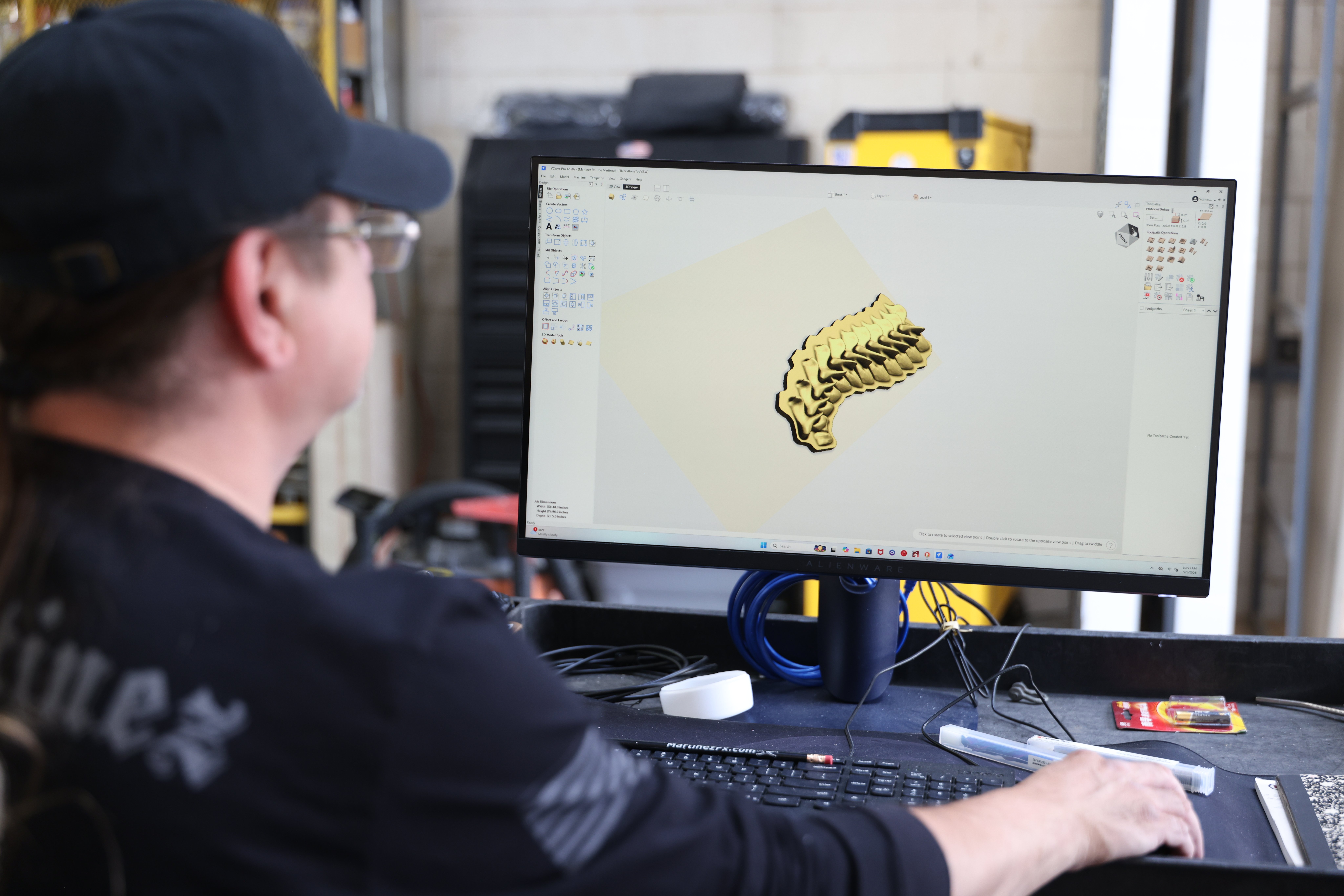
CNC stands for Computer Numerical Control. A CNC woodworking machine is any machine tool that uses a computer to control the movement of its cutting or shaping components based on a programmed set of instructions. The operator creates or imports a design in CAD software, generates machine instructions in CAM software, and the machine executes those instructions with precision that manual methods cannot consistently match.
The basic operating principle is the same across machine types: the computer reads a G-code file that specifies tool positions, movement speeds, and spindle behavior, then drives motors to move the cutting tool, workpiece, or both through the programmed path. For wood specifically, this means profiling, pocketing, carving, engraving, turning, and cutting operations that used to require extensive hand skill can be programmed once and run repeatedly with identical results.
The practical result is a machine that does not get tired, does not have off days, and does not introduce the minor inconsistencies that accumulate in manual work over a long production run. For shops producing wood products at any meaningful volume, that consistency is as valuable as the speed.

Benefits of CNC Woodworking Machines
The advantages of CNC over traditional woodworking methods are well established, but they are not evenly distributed across all types of work. Understanding where CNC creates the most value helps shops make better decisions about which processes to automate and which to keep manual.
Automation and Time Savings
Once a program is set up and verified, the machine runs with minimal operator intervention. A single operator can manage multiple machine setups, load blanks, and run other tasks while the CNC cuts. For production work, this means dramatically lower labor per part compared to equivalent manual processes. Complex shapes that would require skilled hand work across hours can often be machined in minutes. The time savings compound on any design that runs more than once, since setup time amortizes across the full production run.
Precision and Repeatability
CNC machines hold tolerances that hand tools and even skilled manual operators cannot consistently match across a full production run. A properly calibrated CNC router produces the same part to the same dimensions from the first piece to the hundredth, which matters enormously for products that require consistent fit, assembly, or appearance. Joinery that needs to fit together precisely, decorative elements that need to match across a set, and furniture components that need to be interchangeable across production batches all benefit directly from this repeatability.
Improved Efficiency and Reduced Costs
CNC woodworking reduces material waste through optimized nesting, cuts labor cost per part, and reduces rework from human error. Sheet goods that would have required manual layout and multiple hand cuts can be nested digitally to maximize yield and cut in a single machine operation. Over time, the consistency of CNC output also reduces finishing and remediation labor because parts come off the machine closer to final quality. For shops that have made the transition from primarily manual to primarily CNC production, the economic difference is usually significant and compounds over time.

Common Types of CNC Woodworking Machines
Not all CNC woodworking machines do the same thing. The type of machine determines what operations are possible, and matching the machine type to the application is the first decision in any CNC equipment evaluation.
CNC Router
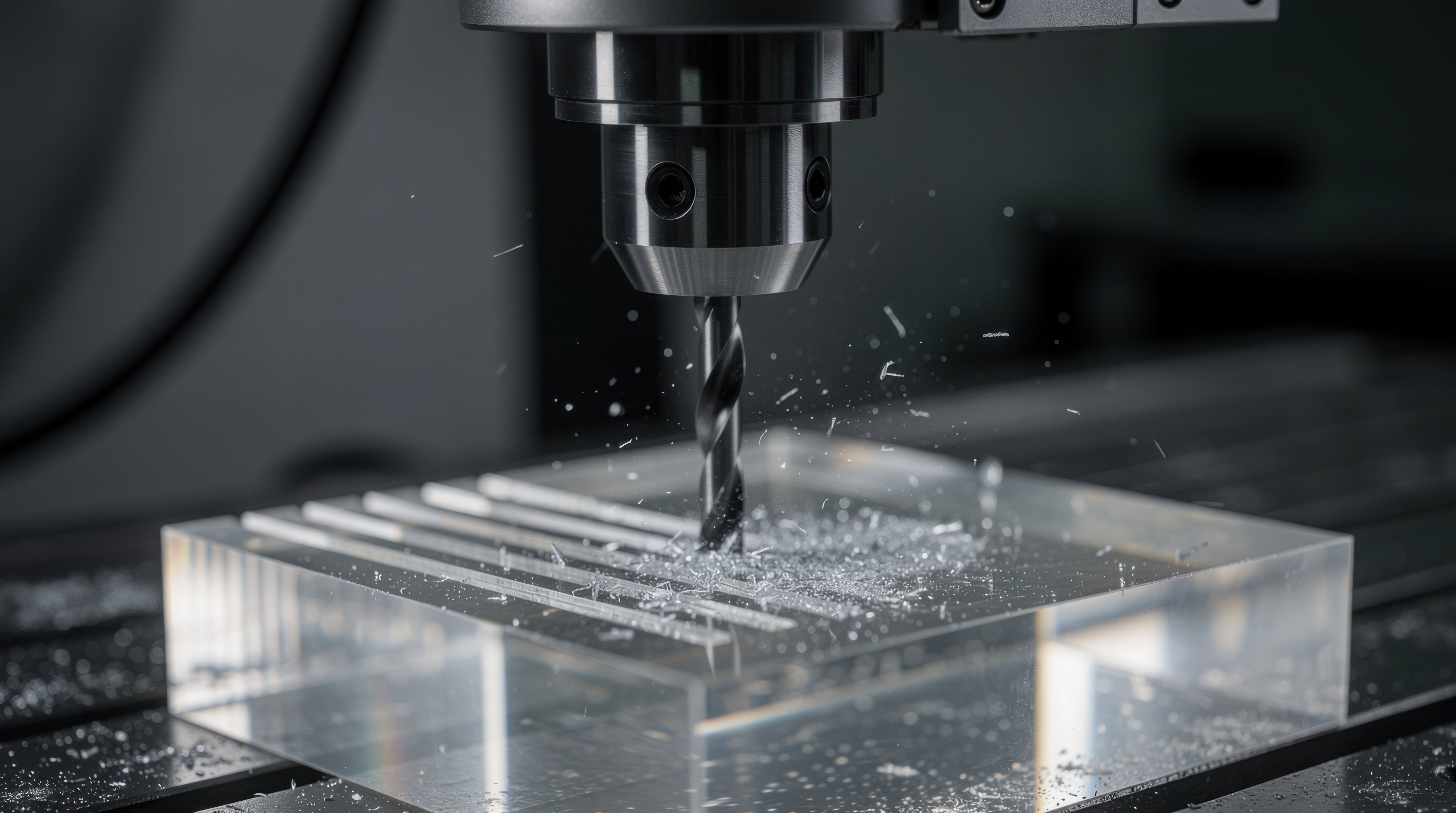
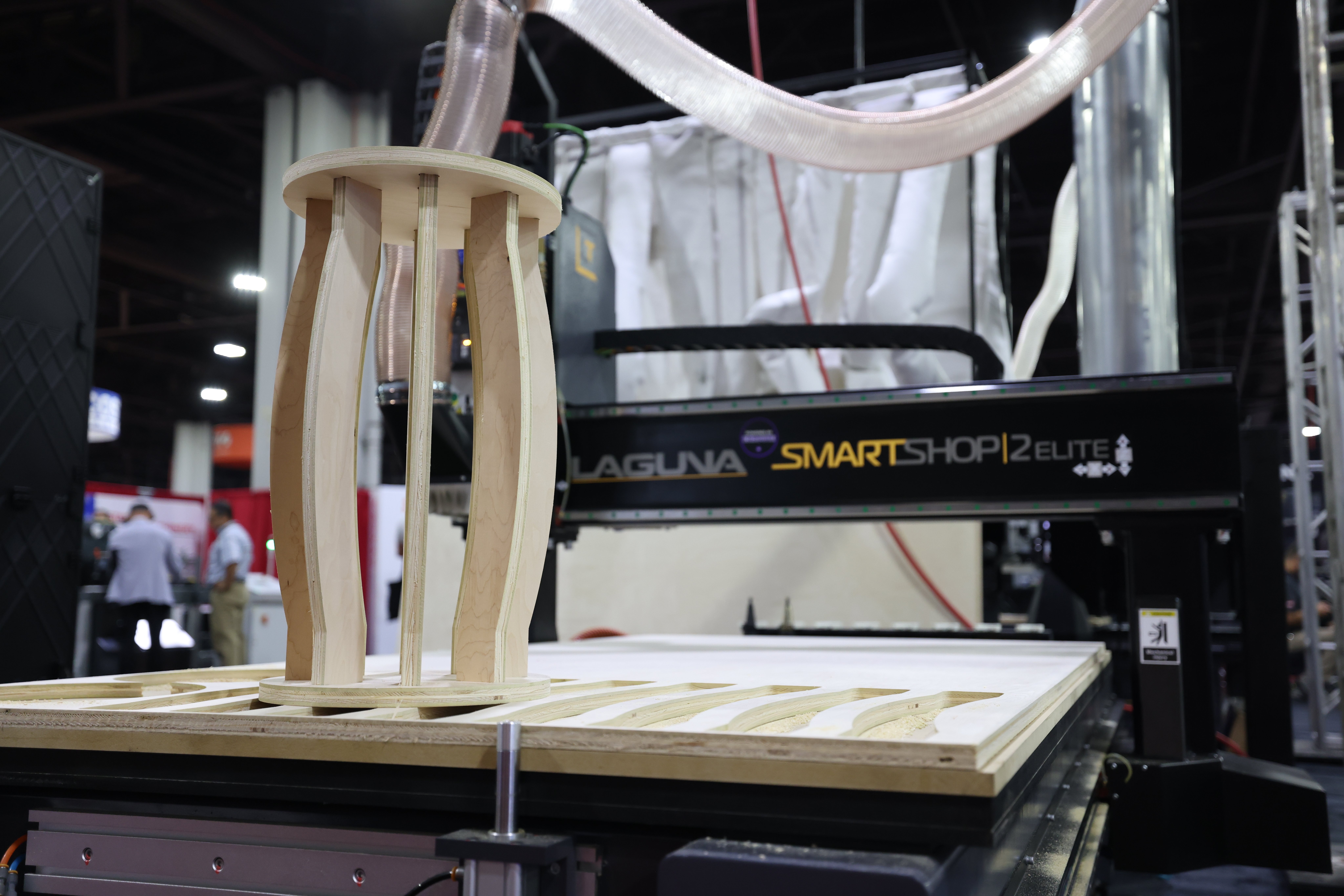
The CNC router is the most widely used CNC woodworking machine. It uses a high-speed rotating spindle to move a cutting bit along X, Y, and Z axes, removing material to produce profiles, pockets, carvings, and joinery cuts in flat or slightly curved workpieces. Work areas range from small benchtop machines suited to custom and hobbyist work to full industrial routers with 5' x 10' or larger beds that run sheet goods continuously in production environments. CNC routers handle hardwood, softwood, engineered wood, MDF, plywood, and a range of non-wood materials including foam, acrylic, and soft metals. For most woodworking shops, the CNC router is the starting point and often the only CNC machine they need.
CNC Milling Machine
CNC milling machines use a similar principle to routers but are built with higher rigidity and more powerful spindles, making them better suited to harder materials and tighter tolerances. In woodworking applications, CNC mills are used for work requiring precision that a standard router cannot deliver, or for production of wood components alongside metal parts in mixed-material manufacturing. The distinction between a heavy-duty CNC router and a CNC mill blurs at the high end of the router category, but purpose-built mills prioritize rigidity and metal-cutting capability over the large work areas that characterize production routers.
CNC Lathe
A CNC lathe rotates the workpiece against a stationary cutting tool to produce cylindrical and turned shapes. In woodworking, this means table legs, spindles, balusters, bowls, and other rotationally symmetric forms that would require a skilled turner to produce manually. CNC lathes reproduce the same turned profile identically across any production volume, which is valuable for furniture manufacturers producing matching sets of legs or stair components where consistency across dozens or hundreds of identical parts is required. Some CNC lathes also incorporate router-style cutting to add carved or fluted detail to turned components.
Laser CNC Machine
Laser CNC machines use a focused laser beam rather than a mechanical cutter to cut or engrave wood. CO2 lasers are the standard for wood applications, producing clean cuts with a slightly charred edge that is characteristic of laser cutting. Laser machines excel at detailed engraving, cutting thin materials, and producing intricate profiles that would be difficult or impossible with a router bit. They do not remove material mechanically, which means they work differently from routers and are suited to different applications: signage, decorative panels, personalized gifts, and inlay work are common laser woodworking applications. Laser and router capabilities are complementary rather than interchangeable, and many production shops run both.
CNC Woodworking vs. Traditional Woodworking
CNC and traditional hand woodworking are not simply competing approaches to the same problem. They have different strengths and different places in the production process.
Traditional woodworking relies on skilled human judgment, tactile feedback, and experience to produce work that responds to the specific character of each piece of wood. A skilled hand carver reads the grain, adjusts pressure, and makes decisions in real time that a programmed machine cannot replicate. For one-of-a-kind artistic work, furniture restoration, and processes where the variation of the material is part of the result, hand methods remain appropriate.
CNC woodworking excels at precision, repetition, and complexity that would be impractical by hand. A CNC router produces joinery cuts to tolerances a chisel cannot hold consistently, runs the same carving design hundreds of times without variation, and executes 3D toolpaths that would require extraordinary skill to approximate manually. For production work, standardized components, and any design that will be made more than a few times, CNC is the more economical and consistent approach.
Most professional woodworking operations use both. CNC handles the production and the work that benefits from precision and repeatability. Hand skills handle the fitting, finishing, and work that benefits from human judgment and responsiveness to the material.
How to Choose the Right CNC Woodworking Machine
The right CNC machine for a shop depends on the actual work being done, not on the most impressive specs available. Evaluating machines against your real production requirements rather than theoretical capability keeps the selection process grounded.
Consider Your Woodworking Projects and Materials
Start with the specific work you need to produce. What materials will the machine cut regularly? What size are the parts? Are you doing primarily flat 2D work, 3D carving, turning, or some combination? A shop focused on cabinet and furniture production needs a different machine than one doing detailed relief carving or turned spindle work. Define the primary application clearly before evaluating specs, and resist the tendency to specify for work you might eventually do rather than the work you actually have.
Compare Machine Size, Capacity, and Speed
Work area determines the maximum part size in a single setup, and bed size should accommodate the largest parts you regularly produce without requiring repositioning. Spindle power affects what materials and cutting parameters are practical. Feed rate and spindle speed range affect cycle time and the range of materials and operations the machine handles well. For production shops, cycle time per part matters economically: a machine that cuts 20 percent faster across a full production shift generates meaningful additional capacity over time.
Consider Maintenance, Support, and Budget
Machine cost is the most visible line item, but not the only one that matters. Tooling, software licenses, installation, training, ongoing maintenance, and eventual component replacement all contribute to the total cost of ownership. Higher-quality machines typically have lower long-term maintenance costs and longer service lives. The quality of the support relationship with the manufacturer or distributor, specifically service response time, parts availability, and training quality, directly affects productive uptime over the years the machine is in your shop. A machine that sits idle waiting for parts or service is not generating value regardless of its specifications.
Laguna Tools builds CNC woodworking machines across the range from serious hobbyist to full industrial production. If you are evaluating CNC equipment for your shop, contact our team to discuss which machine type and configuration fits the work you are actually doing.